Growing Gardener
Growing Gardener
Growing Gardener
Planting the seeds for the next generation
of sustainable food production.
Planting the seeds for the next generation
of sustainable food production.
Planting the seeds for the next generation
of sustainable food production.
Project at a glance
Project at a glance
Project at a glance
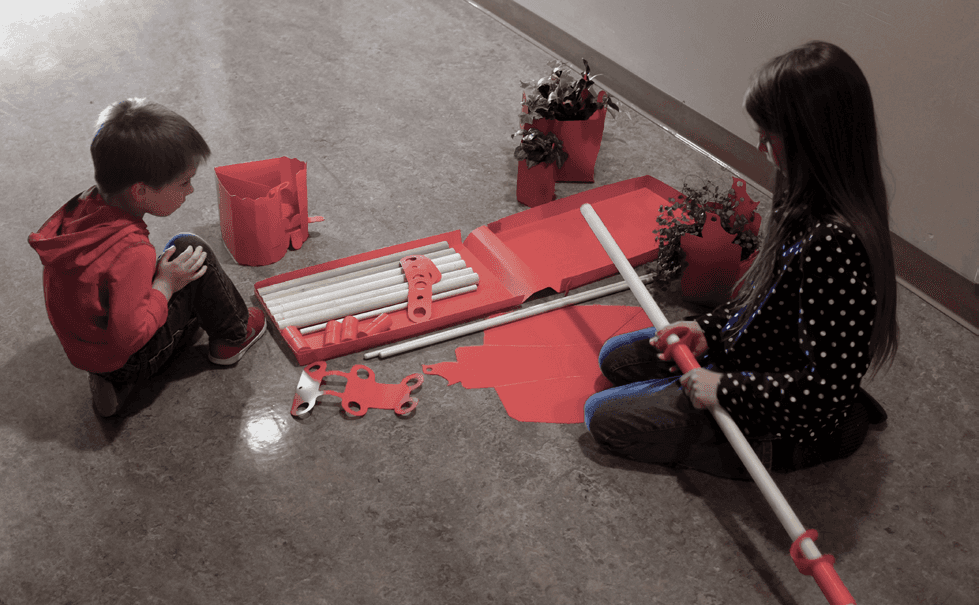
Growing Gardener is a compact indoor growing system developed in response to food security and the growing distance between children and the source of their food. Designed for homes and elementary classrooms, it turns planting, tending, and harvesting into a daily learning experience.
Growing Gardener is a compact indoor growing system developed in response to food security and the growing distance between children and the source of their food. Designed for homes and elementary classrooms, it turns planting, tending, and harvesting into a daily learning experience.
Growing Gardener is a compact indoor growing system developed in response to food security and the growing distance between children and the source of their food. Designed for homes and elementary classrooms, it turns planting, tending, and harvesting into a daily learning experience.
Contribution: Research, product strategy, industrial design, design for manufacture, packaging, and prototyping. Design response: A modular A-frame with components cut and scored from recycled, recyclable plastic sheet, designed to ship flat and fold into use.
Contribution: Research, product strategy, industrial design, design for manufacture, packaging, and prototyping. Design response: A modular A-frame with components cut and scored from recycled, recyclable plastic sheet, designed to ship flat and fold into use.
Contribution: Research, product strategy, industrial design, design for manufacture, packaging, and prototyping. Design response: A modular A-frame with components cut and scored from recycled, recyclable plastic sheet, designed to ship flat and fold into use.
Food begins to feel distant.
Food begins to feel distant.
Food begins to feel distant.
Many children encounter food only after it has been processed and packaged. The project began with a broader question about food security and urban farming: how might a product reconnect children with the origins of food and help them understand freshness, seasonality, and nourishment through direct experience?
Many children encounter food only after it has been processed and packaged. The project began with a broader question about food security and urban farming: how might a product reconnect children with the origins of food and help them understand freshness, seasonality, and nourishment through direct experience?
Many children encounter food only after it has been processed and packaged. The project began with a broader question about food security and urban farming: how might a product reconnect children with the origins of food and help them understand freshness, seasonality, and nourishment through direct experience?

Bring growing within reach.
Bring growing within reach.
Bring growing within reach.
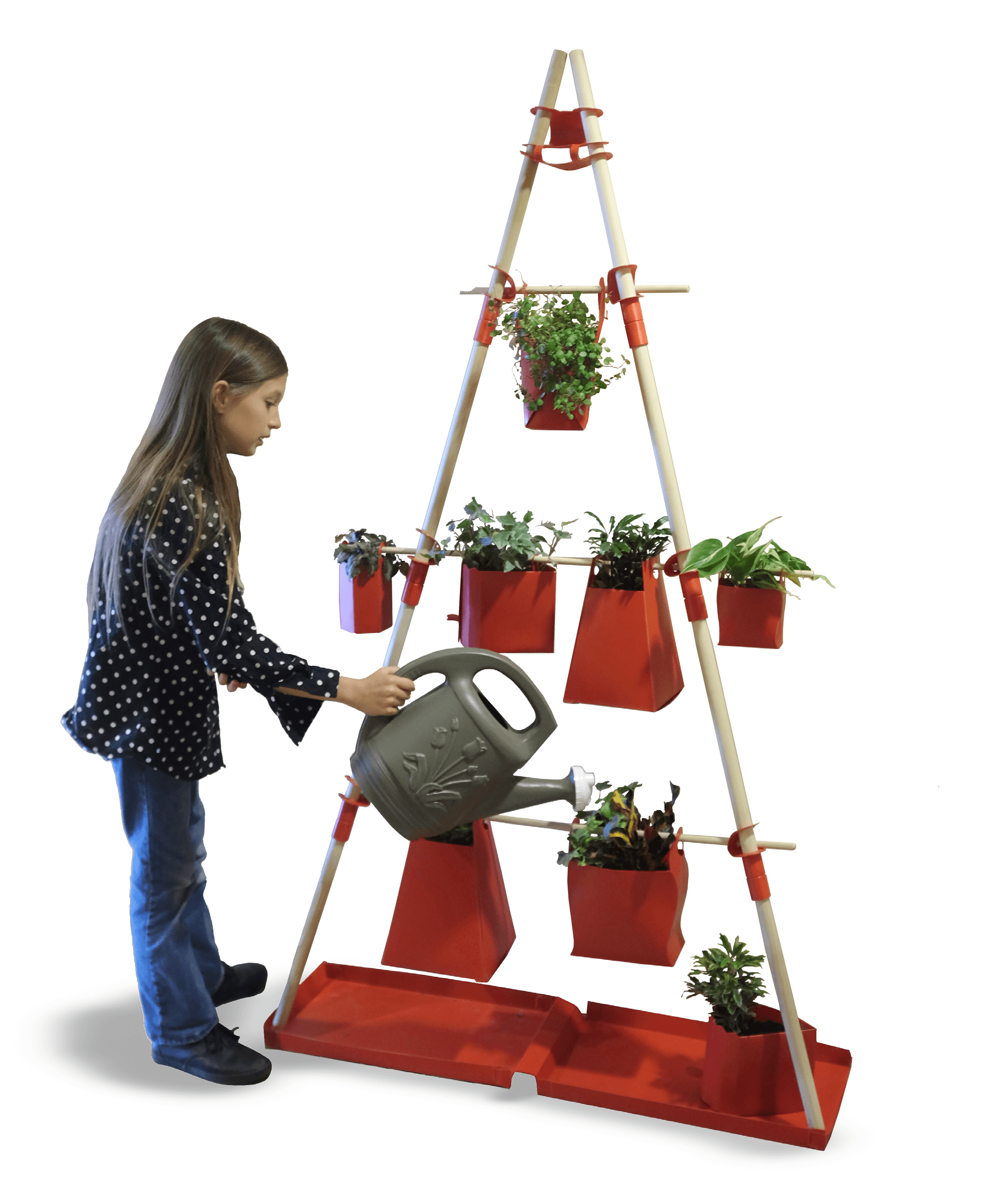
The goal was an indoor garden that could live in homes and classrooms, letting children plant fruits, vegetables, and herbs themselves. The growing experience needed to feel approachable and engaging while fitting small spaces and familiar routines.
The goal was an indoor garden that could live in homes and classrooms, letting children plant fruits, vegetables, and herbs themselves. The growing experience needed to feel approachable and engaging while fitting small spaces and familiar routines.
The goal was an indoor garden that could live in homes and classrooms, letting children plant fruits, vegetables, and herbs themselves. The growing experience needed to feel approachable and engaging while fitting small spaces and familiar routines.
The constraints shaped the product.
The constraints shaped the product.
The constraints shaped the product.
The system had to be affordable for families and schools, compact enough for small rooms, simple to assemble and maintain, and easy to repair with familiar parts. It also needed to support culturally relevant plants and fit elementary curricula. Those requirements made material choice, manufacturing, and distribution part of the design problem from the start.
The system had to be affordable for families and schools, compact enough for small rooms, simple to assemble and maintain, and easy to repair with familiar parts. It also needed to support culturally relevant plants and fit elementary curricula. Those requirements made material choice, manufacturing, and distribution part of the design problem from the start.
The system had to be affordable for families and schools, compact enough for small rooms, simple to assemble and maintain, and easy to repair with familiar parts. It also needed to support culturally relevant plants and fit elementary curricula. Those requirements made material choice, manufacturing, and distribution part of the design problem from the start.
The production method became part of the design.
The production method became part of the design.
The production method became part of the design.
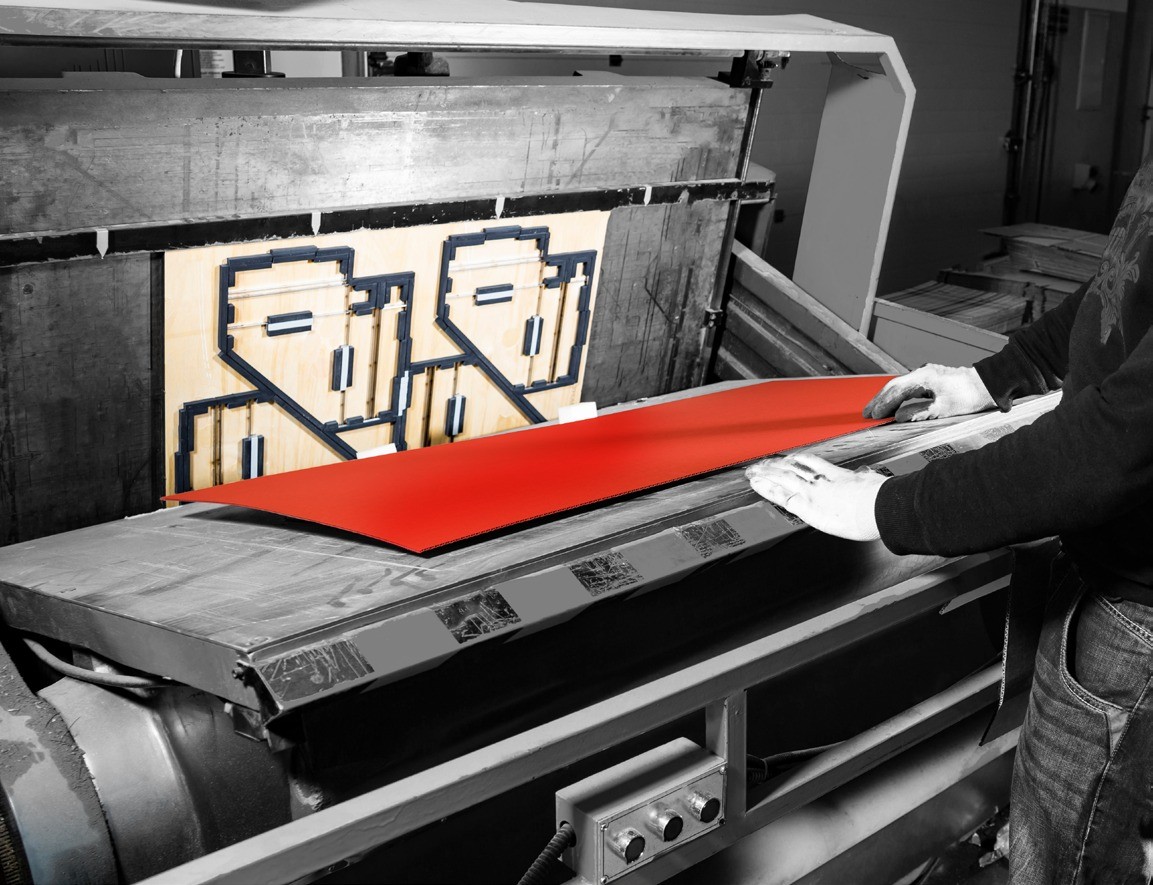
The kit’s sheet components begin as recycled plastic that can be recycled again. A steel-rule die cuts the profiles and scores the fold lines in a fast, repeatable operation. Each flat part then folds into shape like origami. The method reduces fabrication time, while the flat design lowers shipping costs. Together, those decisions keep the unit affordable and support a cradle-to-cradle material cycle.
The kit’s sheet components begin as recycled plastic that can be recycled again. A steel-rule die cuts the profiles and scores the fold lines in a fast, repeatable operation. Each flat part then folds into shape like origami. The method reduces fabrication time, while the flat design lowers shipping costs. Together, those decisions keep the unit affordable and support a cradle-to-cradle material cycle.
The kit’s sheet components begin as recycled plastic that can be recycled again. A steel-rule die cuts the profiles and scores the fold lines in a fast, repeatable operation. Each flat part then folds into shape like origami. The method reduces fabrication time, while the flat design lowers shipping costs. Together, those decisions keep the unit affordable and support a cradle-to-cradle material cycle.

A compact kit becomes a working garden.
A compact kit becomes a working garden.
A compact kit becomes a working garden.
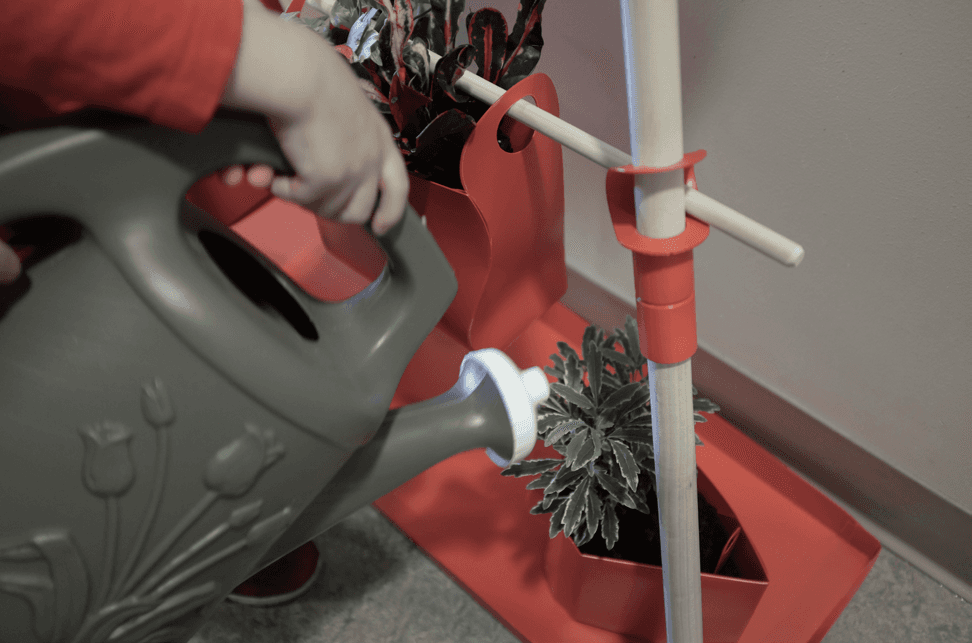
The freestanding A-frame uses wooden dowels, hinged joints, couplers, and horizontal supports to place planters at several heights. The package holds the flat components for efficient master-carton shipping, then unfolds to position the frame near a wall and catch drips. Once assembled, the kit becomes an accessible growing system that brings planting, care, and food education into a child’s everyday environment.
The freestanding A-frame uses wooden dowels, hinged joints, couplers, and horizontal supports to place planters at several heights. The package holds the flat components for efficient master-carton shipping, then unfolds to position the frame near a wall and catch drips. Once assembled, the kit becomes an accessible growing system that brings planting, care, and food education into a child’s everyday environment.
The freestanding A-frame uses wooden dowels, hinged joints, couplers, and horizontal supports to place planters at several heights. The package holds the flat components for efficient master-carton shipping, then unfolds to position the frame near a wall and catch drips. Once assembled, the kit becomes an accessible growing system that brings planting, care, and food education into a child’s everyday environment.