Growing Gardener
Growing Gardener
Growing Gardener
Design Brief (Context)
Design Brief (Context)
Design Brief (Context)
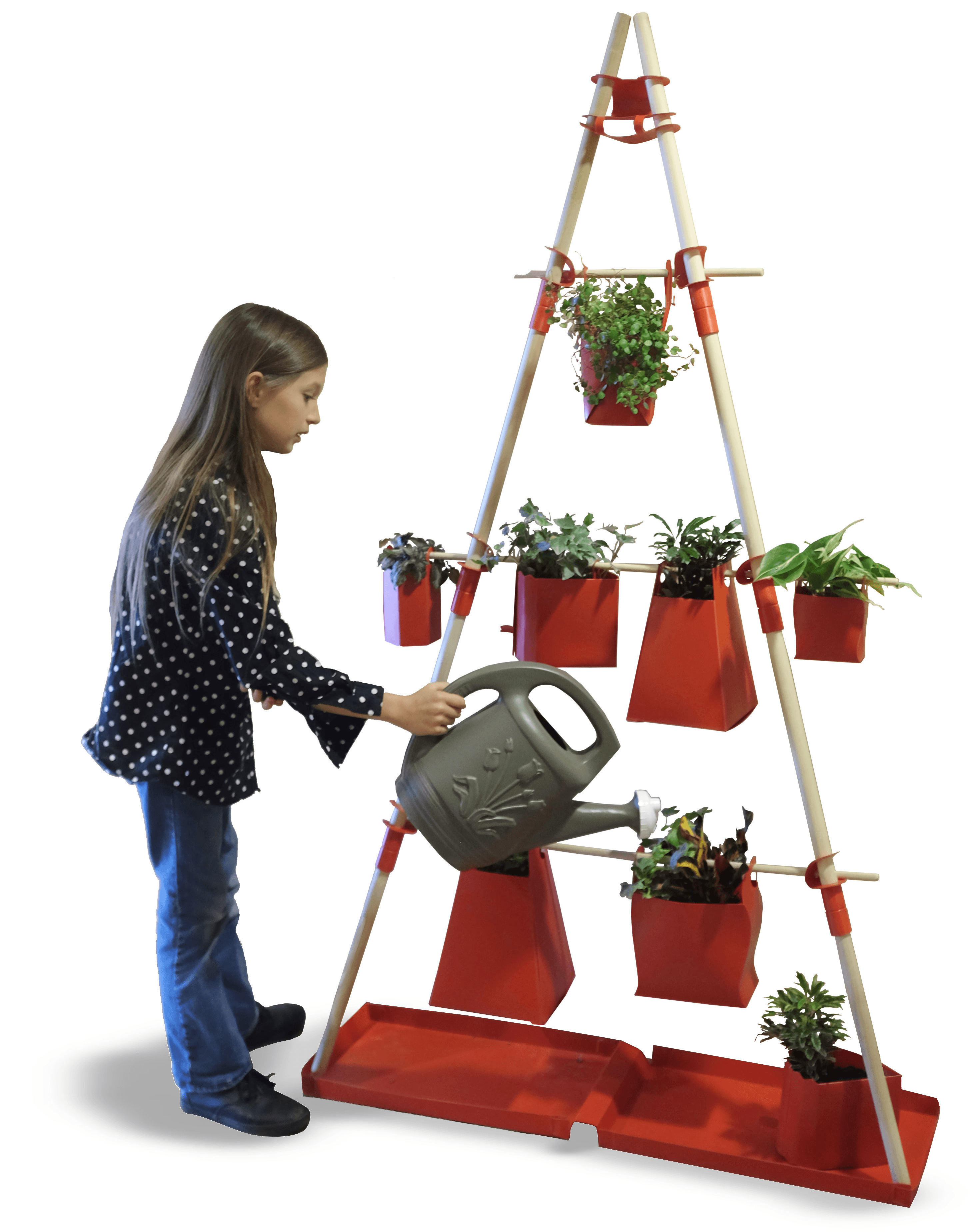
Growing Gardener was conceived in response to a broken food-education cycle affecting children in low-income urban environments, where access to fresh food, understanding of food origins, and healthy preparation habits have been displaced by convenience and processed alternatives. The brief called for an affordable, easily deployable vertical gardening system that could live in classrooms and homes, stimulate family and peer interaction, and reintroduce food literacy through hands-on participation. Constraints such as limited space, low budgets, safety, and ease of setup were not secondary requirements—they defined the context and therefore the form of the solution.
Growing Gardener was conceived in response to a broken food-education cycle affecting children in low-income urban environments, where access to fresh food, understanding of food origins, and healthy preparation habits have been displaced by convenience and processed alternatives. The brief called for an affordable, easily deployable vertical gardening system that could live in classrooms and homes, stimulate family and peer interaction, and reintroduce food literacy through hands-on participation. Constraints such as limited space, low budgets, safety, and ease of setup were not secondary requirements—they defined the context and therefore the form of the solution.
Growing Gardener was conceived in response to a broken food-education cycle affecting children in low-income urban environments, where access to fresh food, understanding of food origins, and healthy preparation habits have been displaced by convenience and processed alternatives. The brief called for an affordable, easily deployable vertical gardening system that could live in classrooms and homes, stimulate family and peer interaction, and reintroduce food literacy through hands-on participation. Constraints such as limited space, low budgets, safety, and ease of setup were not secondary requirements—they defined the context and therefore the form of the solution.
Narrative
(Meaning and Experience)
Narrative
(Meaning and Experience)
Narrative
(Meaning and Experience)
The resulting narrative reframes gardening from a static activity into a shared, visible learning ritual. The ladder-like vertical structure creates a familiar, approachable silhouette while visually reinforcing growth, progression, and care. Modular hanging pots allow children to actively plant, water, harvest, and observe cause-and-effect over time, transforming abstract concepts like “fresh food” and “origin” into tangible experience. The system’s flat-pack nature and tool-less assembly reinforce inclusivity and participation, ensuring the product invites interaction rather than expertise. In this way, the design itself becomes a teaching medium, not just a container for plants.
The resulting narrative reframes gardening from a static activity into a shared, visible learning ritual. The ladder-like vertical structure creates a familiar, approachable silhouette while visually reinforcing growth, progression, and care. Modular hanging pots allow children to actively plant, water, harvest, and observe cause-and-effect over time, transforming abstract concepts like “fresh food” and “origin” into tangible experience. The system’s flat-pack nature and tool-less assembly reinforce inclusivity and participation, ensuring the product invites interaction rather than expertise. In this way, the design itself becomes a teaching medium, not just a container for plants.
The resulting narrative reframes gardening from a static activity into a shared, visible learning ritual. The ladder-like vertical structure creates a familiar, approachable silhouette while visually reinforcing growth, progression, and care. Modular hanging pots allow children to actively plant, water, harvest, and observe cause-and-effect over time, transforming abstract concepts like “fresh food” and “origin” into tangible experience. The system’s flat-pack nature and tool-less assembly reinforce inclusivity and participation, ensuring the product invites interaction rather than expertise. In this way, the design itself becomes a teaching medium, not just a container for plants.
Reality
(Manufactoring Strategy)
Reality
(Manufactoring Strategy)
Reality
(Manufactoring Strategy)
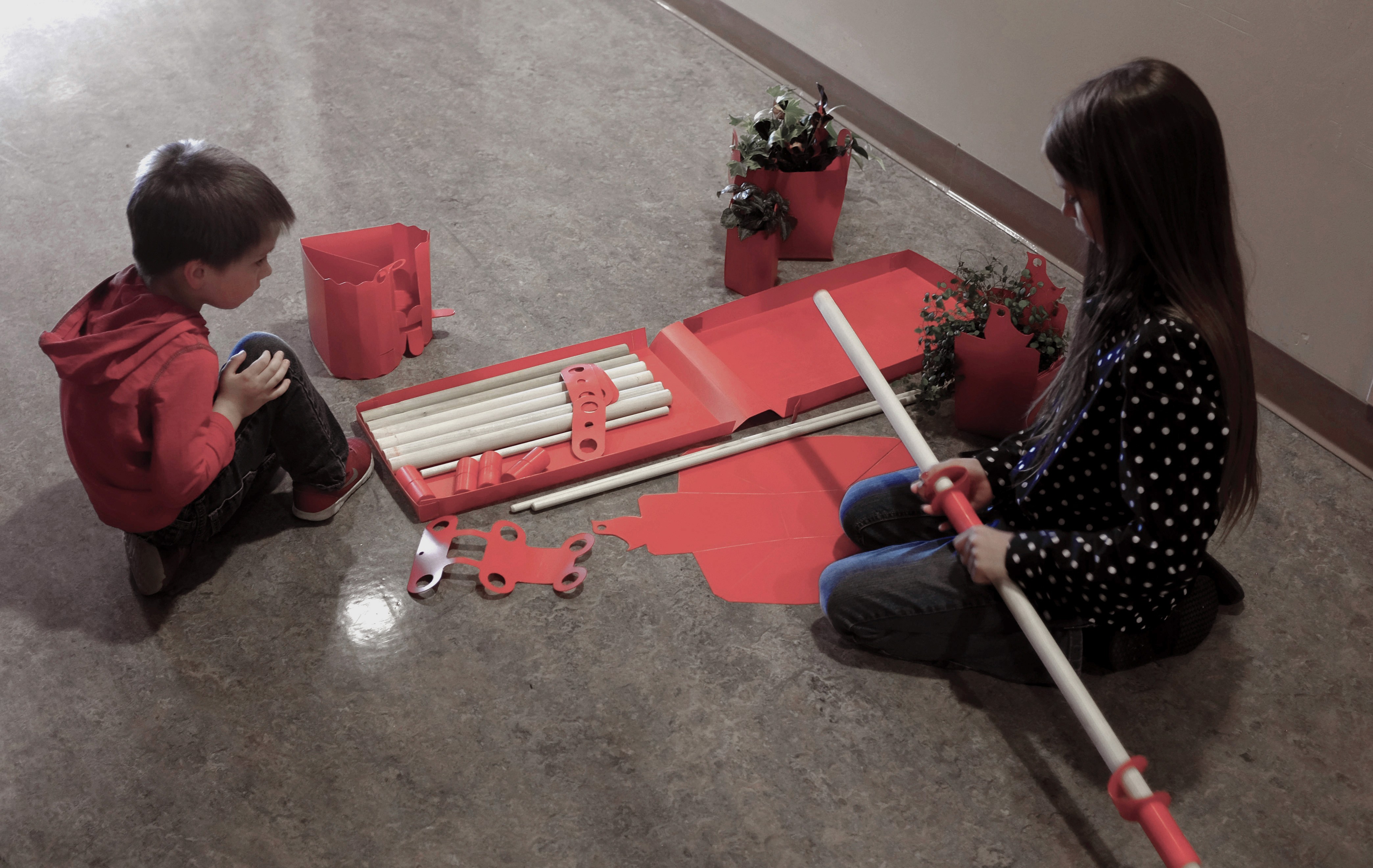
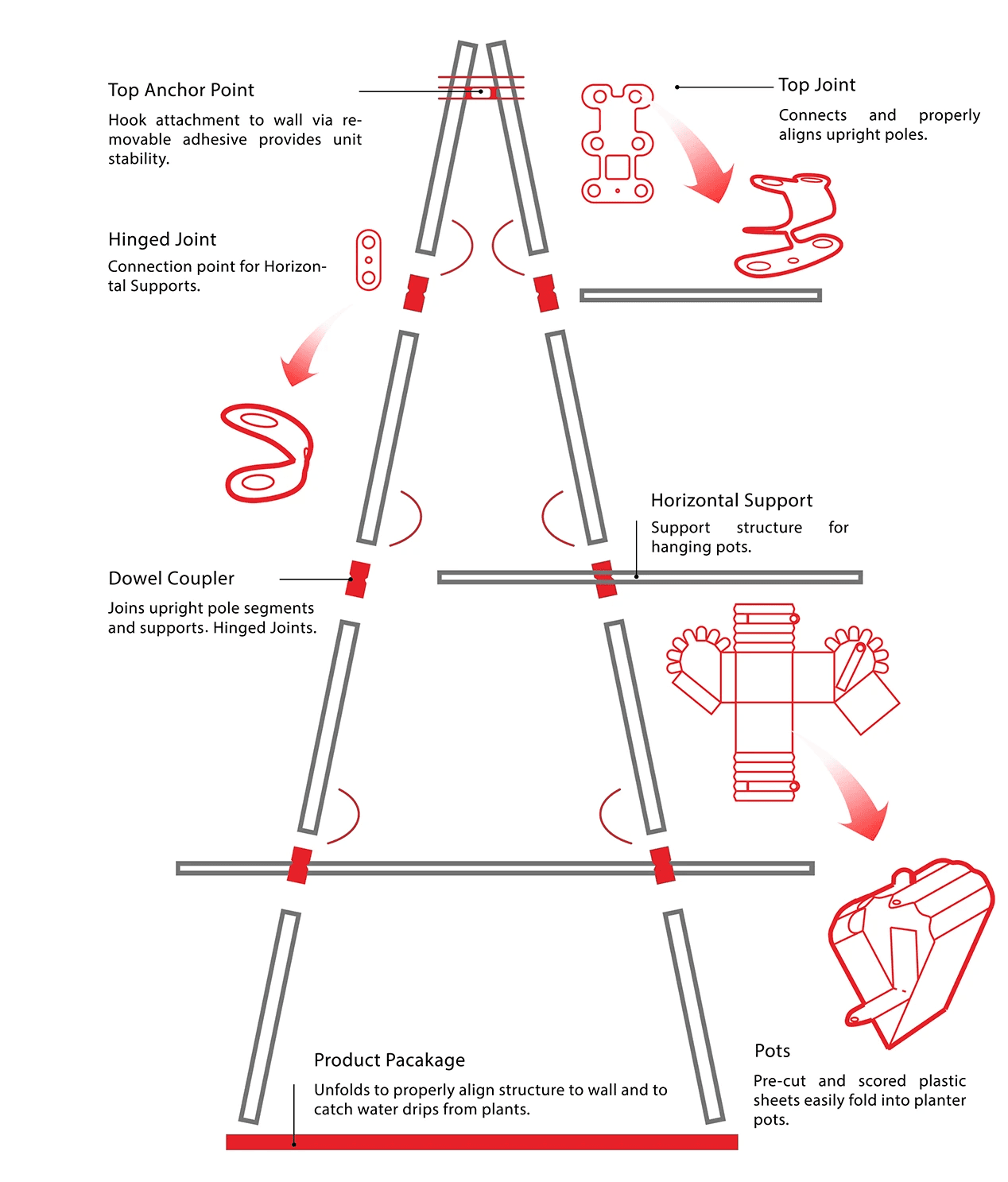
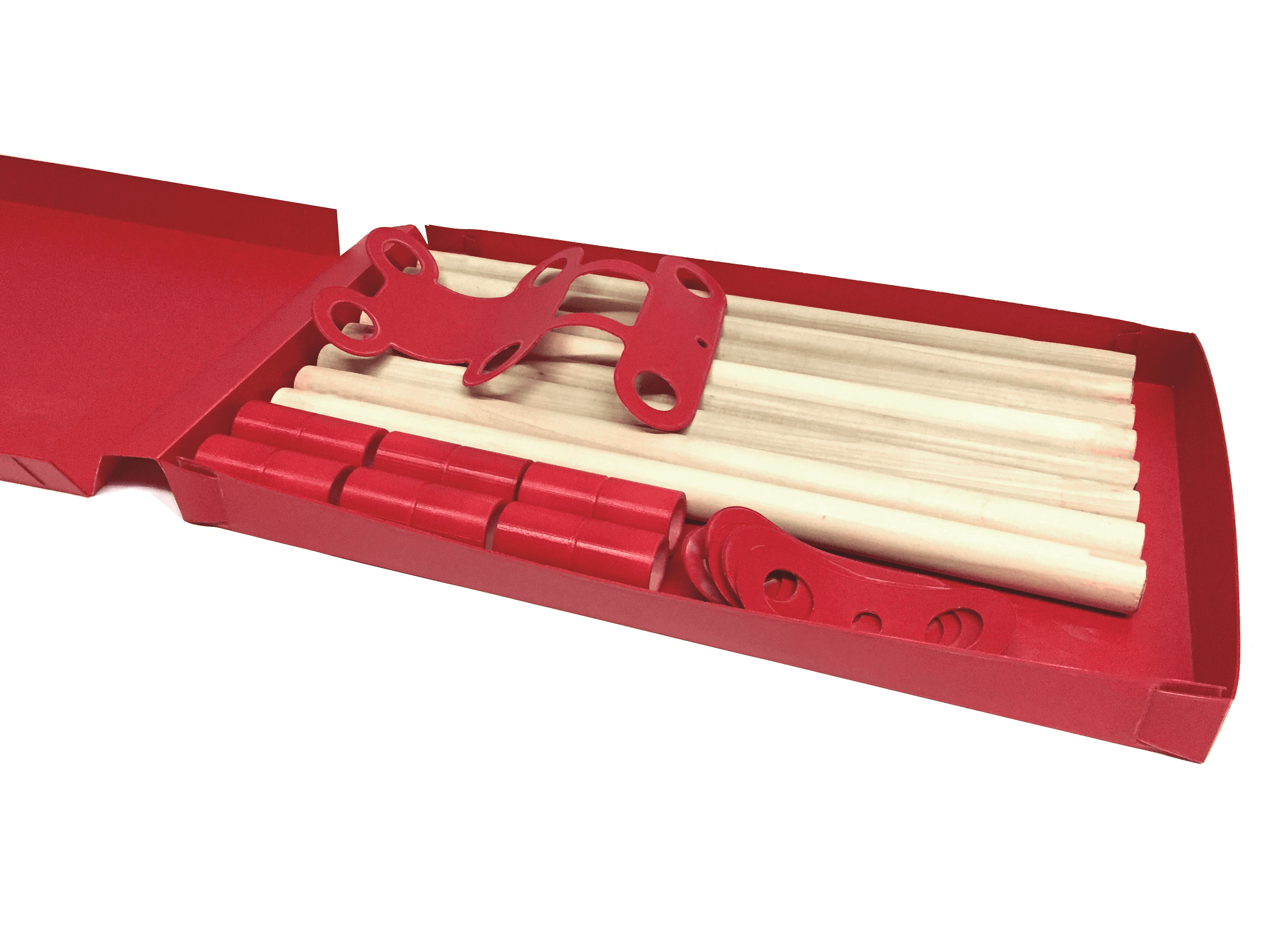
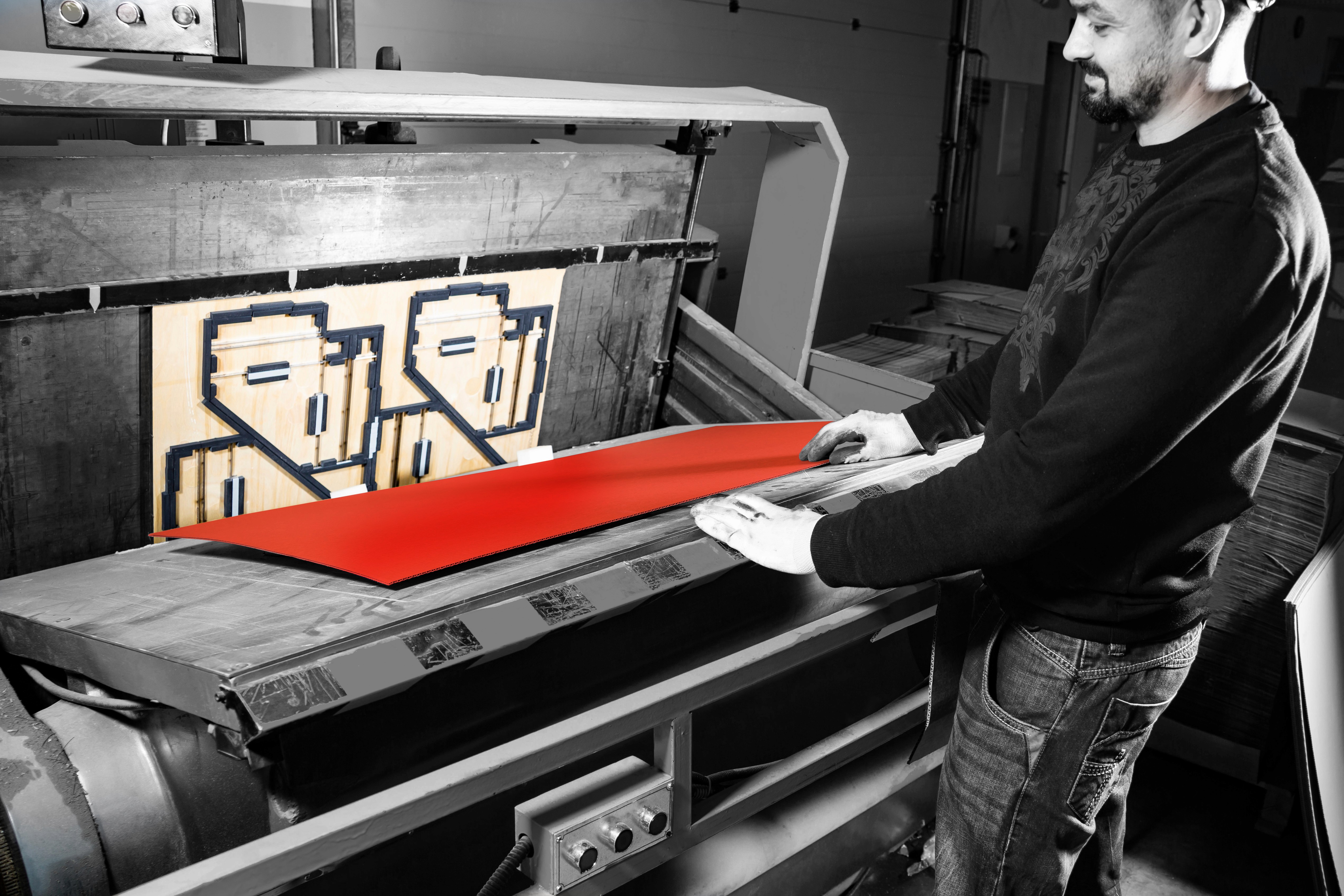
Manufacturing decisions were deliberately aligned with both educational intent and economic reality. Structural elements rely on simple dowels and standardized connectors, minimizing part count and enabling scalable, low-cost production. Planters, joints, and packaging elements are produced from recycled HDPE sheet stock, chosen for durability, moisture resistance, safety, and recyclability. These components are intentionally designed for sheet die-cut manufacturing, similar to high-volume cardboard box production, where the majority of the product is punched, scored, and formed in a single machine cycle lasting seconds.
By consolidating cutting, scoring, and folding logic into one die operation, the system dramatically reduces tooling complexity, cycle time, and per-unit cost while enabling flat shipping and dense storage. This approach transforms manufacturing efficiency into a design feature—making affordability, scalability, and rapid distribution intrinsic to the product rather than downstream optimizations. The same folded HDPE geometry serves multiple roles (pot, water catch, packaging), collapsing complexity and cost into a single material logic.
Manufacturing decisions were deliberately aligned with both educational intent and economic reality. Structural elements rely on simple dowels and standardized connectors, minimizing part count and enabling scalable, low-cost production. Planters, joints, and packaging elements are produced from recycled HDPE sheet stock, chosen for durability, moisture resistance, safety, and recyclability. These components are intentionally designed for sheet die-cut manufacturing, similar to high-volume cardboard box production, where the majority of the product is punched, scored, and formed in a single machine cycle lasting seconds.
By consolidating cutting, scoring, and folding logic into one die operation, the system dramatically reduces tooling complexity, cycle time, and per-unit cost while enabling flat shipping and dense storage. This approach transforms manufacturing efficiency into a design feature—making affordability, scalability, and rapid distribution intrinsic to the product rather than downstream optimizations. The same folded HDPE geometry serves multiple roles (pot, water catch, packaging), collapsing complexity and cost into a single material logic.
Manufacturing decisions were deliberately aligned with both educational intent and economic reality. Structural elements rely on simple dowels and standardized connectors, minimizing part count and enabling scalable, low-cost production. Planters, joints, and packaging elements are produced from recycled HDPE sheet stock, chosen for durability, moisture resistance, safety, and recyclability. These components are intentionally designed for sheet die-cut manufacturing, similar to high-volume cardboard box production, where the majority of the product is punched, scored, and formed in a single machine cycle lasting seconds.
By consolidating cutting, scoring, and folding logic into one die operation, the system dramatically reduces tooling complexity, cycle time, and per-unit cost while enabling flat shipping and dense storage. This approach transforms manufacturing efficiency into a design feature—making affordability, scalability, and rapid distribution intrinsic to the product rather than downstream optimizations. The same folded HDPE geometry serves multiple roles (pot, water catch, packaging), collapsing complexity and cost into a single material logic.
Material as Message (Closing the Loop).
Material as Message (Closing the Loop).
Material as Message (Closing the Loop).
The use of recycled HDPE is not merely pragmatic; it reinforces the broader narrative of stewardship, cycles, and responsible consumption. Children engage daily with a system that visibly embodies reuse and sustainability, subtly linking food growth with material life cycles. In CNR terms, the context of food insecurity and limited resources shaped the constraints, the narrative translated those constraints into an empowering educational experience, and the realitymanifests as a manufacturable, affordable, and scalable product whose material choices and construction methods actively support the story it tells. Growing Gardener thus closes the loop it seeks to teach—connecting origin, care, and outcome through design.
The use of recycled HDPE is not merely pragmatic; it reinforces the broader narrative of stewardship, cycles, and responsible consumption. Children engage daily with a system that visibly embodies reuse and sustainability, subtly linking food growth with material life cycles. In CNR terms, the context of food insecurity and limited resources shaped the constraints, the narrative translated those constraints into an empowering educational experience, and the realitymanifests as a manufacturable, affordable, and scalable product whose material choices and construction methods actively support the story it tells. Growing Gardener thus closes the loop it seeks to teach—connecting origin, care, and outcome through design.
The use of recycled HDPE is not merely pragmatic; it reinforces the broader narrative of stewardship, cycles, and responsible consumption. Children engage daily with a system that visibly embodies reuse and sustainability, subtly linking food growth with material life cycles. In CNR terms, the context of food insecurity and limited resources shaped the constraints, the narrative translated those constraints into an empowering educational experience, and the realitymanifests as a manufacturable, affordable, and scalable product whose material choices and construction methods actively support the story it tells. Growing Gardener thus closes the loop it seeks to teach—connecting origin, care, and outcome through design.